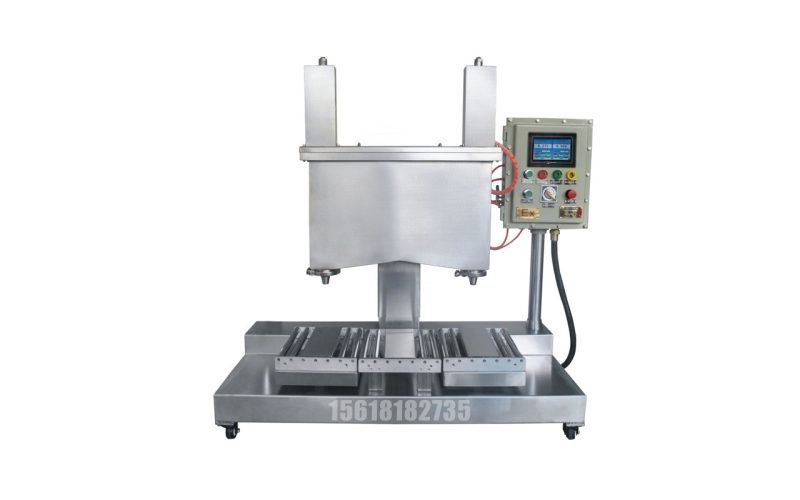
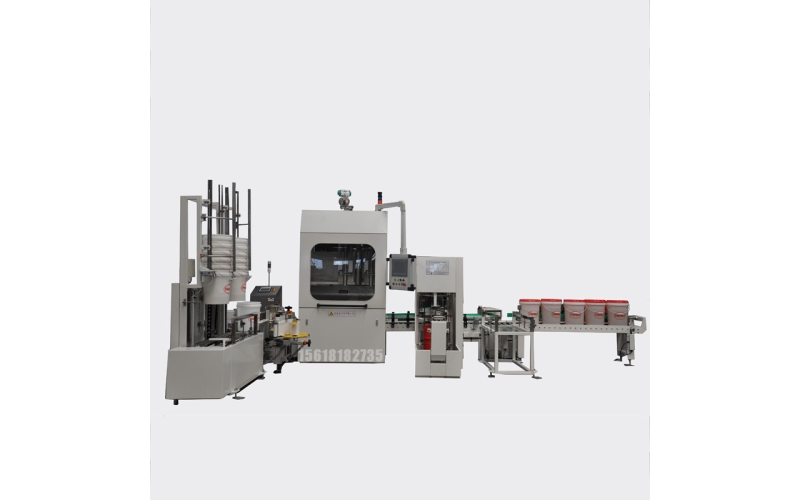
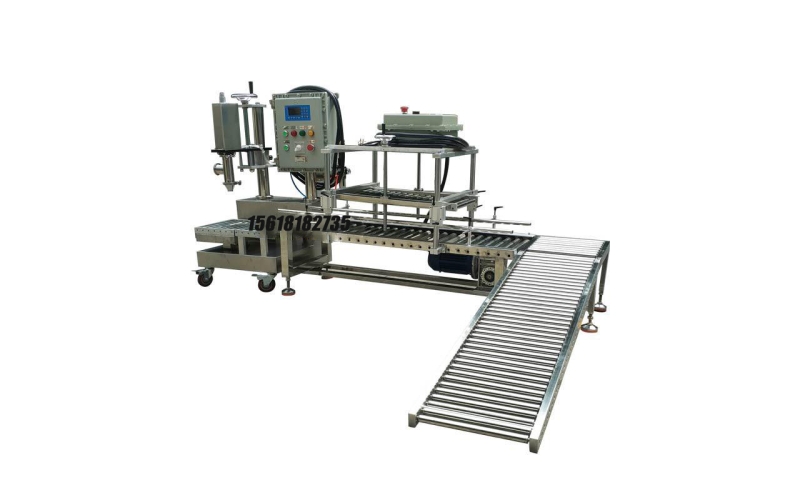
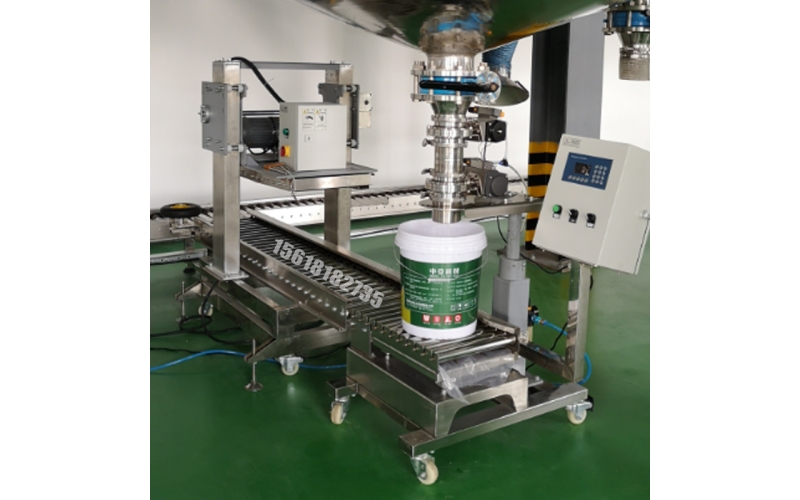
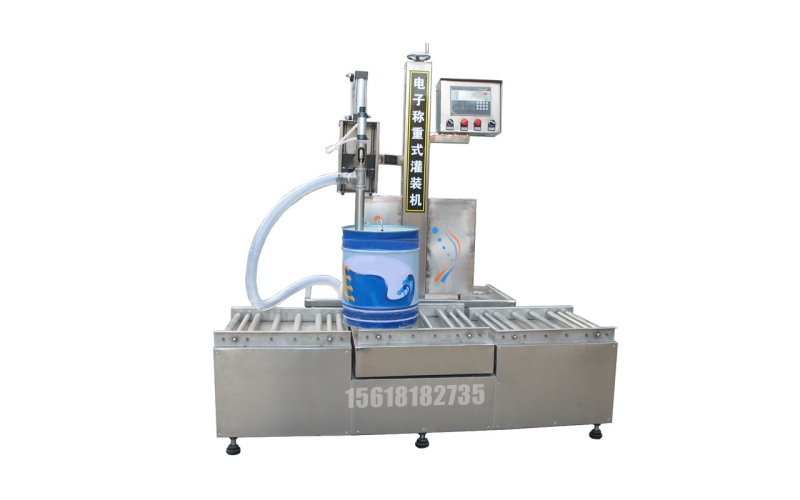
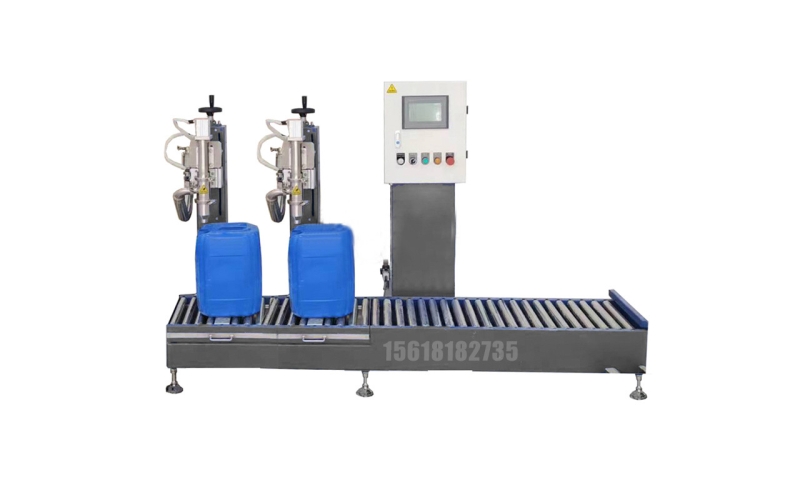
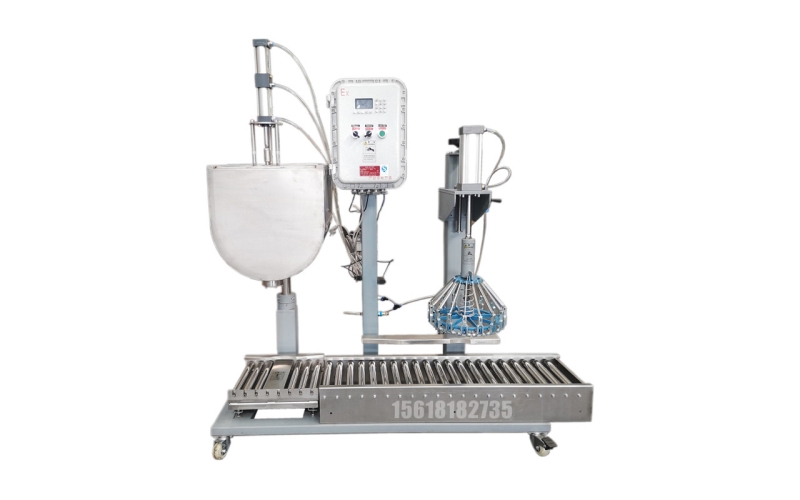
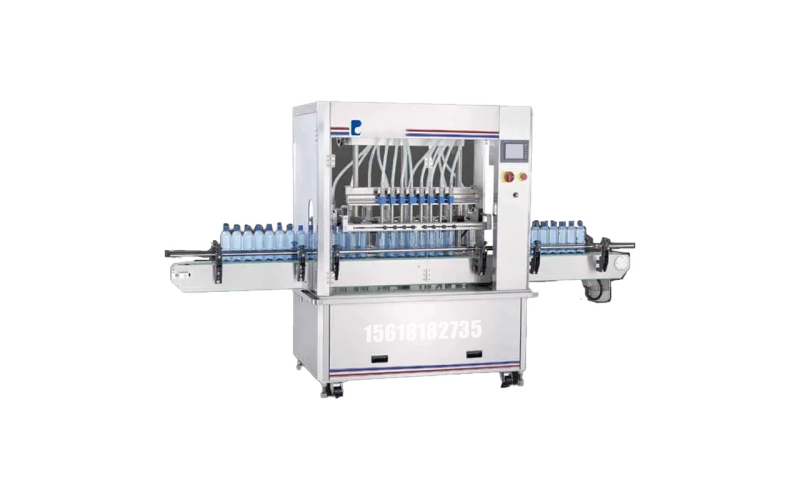
Fully automatic filling lines dominate large-scale mass production, yet they suffer from high upfront investment, complex debugging, and inflexible batch switching, making them unsuitable for small fa
2026-08-19 admin 10
Standard liquid and paste filling machines are engineered for bottles, jars, and cans, making them ineffective for narrow, tubular cartridge packaging used in construction, automotive, and industrial
2026-08-18 admin 8
Modern liquid manufacturing increasingly relies on diversified product lines, frequent specification switching, and flexible batch production, scenarios where high-cost rotary fillers and specialized
2026-08-18 admin 11
For mass liquid manufacturing, linear filling machines often suffer from intermittent operation, low throughput, and frequent start-stop errors that limit daily output. Linear fillers struggle to meet
2026-08-18 admin 11
Most conventional filling machines struggle with foamy, bubble-prone, and oxygen-sensitive thin liquids, causing overflow, inaccurate volumes, oxidized products, and messy production lines. Gravity fi
2026-08-17 admin 13
Traditional pneumatic, gravity, and pump filling machines often struggle with inconsistent dosing, rigid parameter settings, and poor adaptability for diverse product formulas. These conventional fill
2026-08-17 admin 11
Standard filling machines can meet conventional packaging demands but fail to satisfy ultra-high sterile production standards required for pharmaceuticals, biological reagents, and premium organic foo
2026-08-17 admin 11
Traditional pneumatic paste fillers and ordinary piston filling equipment often struggle with inconsistent dosing, speed instability, and material overflow during semi-solid product production. Differ
2026-08-14 admin 9