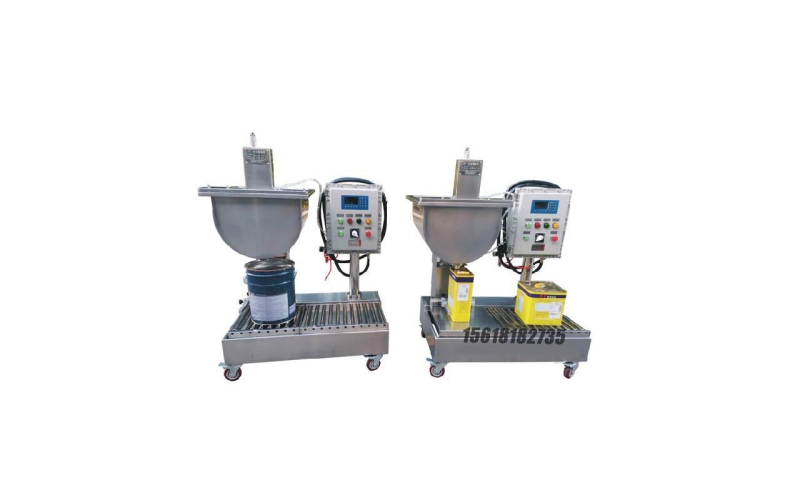
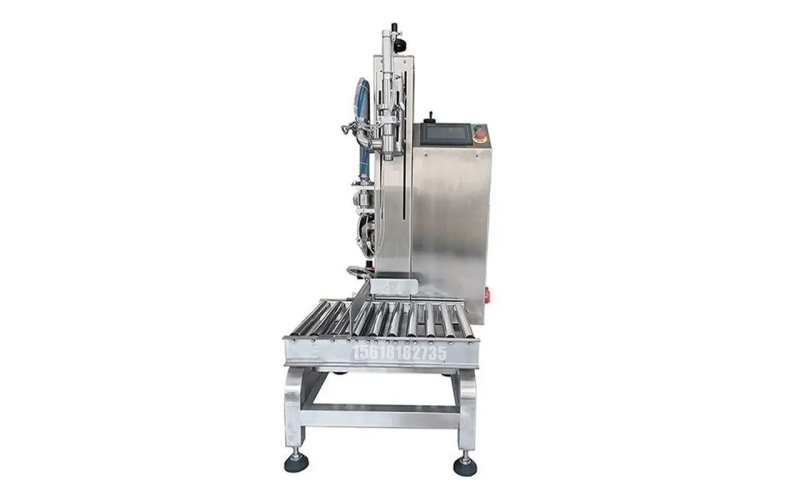
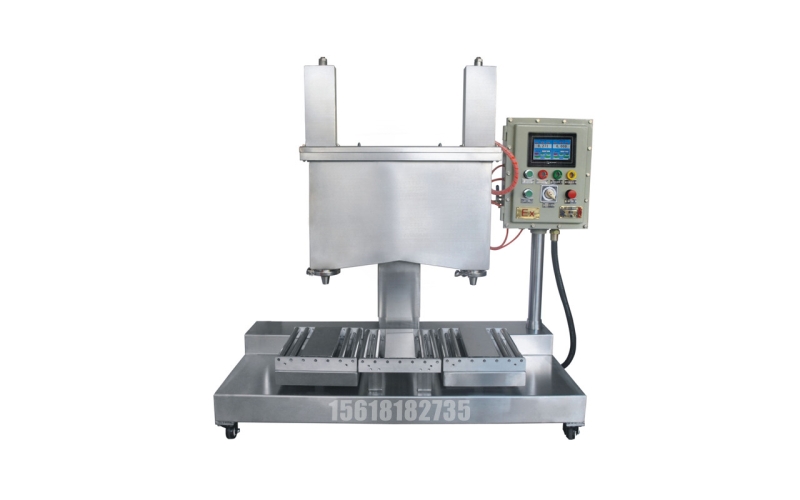
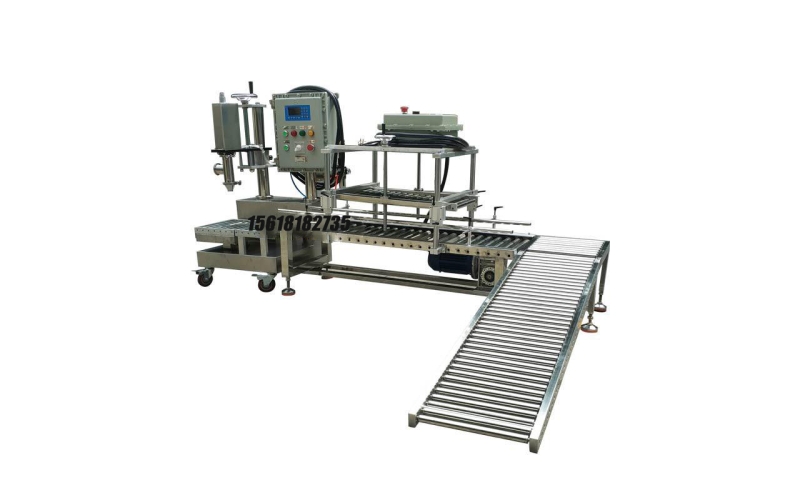
Most industrial filling systems rely on volumetric metering, calculating dosage based on liquid volume rather than actual mass. This traditional method causes unavoidable inaccuracies triggered by tem
2026-08-21 admin 14
Most conventional filling machines rely on pistons, gears, or pump impellers that make direct contact with liquid materials, bringing unavoidable risks of cross-contamination, component corrosion, and
2026-08-20 admin 13
Linear filling machines and semi-automatic filling systems struggle to meet ultra-high-volume production demands for mass-produced bottled goods. Linear fillers feature straight-line conveying structu
2026-08-19 admin 10
Modern liquid manufacturing increasingly relies on diversified product lines, frequent specification switching, and flexible batch production, scenarios where high-cost rotary fillers and specialized
2026-08-18 admin 11
Traditional pneumatic, gravity, and pump filling machines often struggle with inconsistent dosing, rigid parameter settings, and poor adaptability for diverse product formulas. These conventional fill
2026-08-17 admin 11
Most filling line SEO content focuses on dosing, sealing, and capping equipment, ignoring the critical front-end packaging component: the automatic bottle unscrambler machine. This specialized auxilia
2026-08-14 admin 12
Most industrial filling machines rely on fixed volume, timing, or mechanical displacement to measure materials. While reliable for standard products, these traditional methods struggle with variable-d
2026-08-13 admin 19
Our extensive Google SEO filling machine guide library has covered piston volumetric, gravity, overflow, vacuum, net weight, rotary high-speed, powder auger, granule, and tube filling systems, coverin
2026-08-12 admin 9