

Aseptic Cold Filling Machine: Benefits, Process & Industrial Comparison
2026-06-29 09:25:41
admin
10
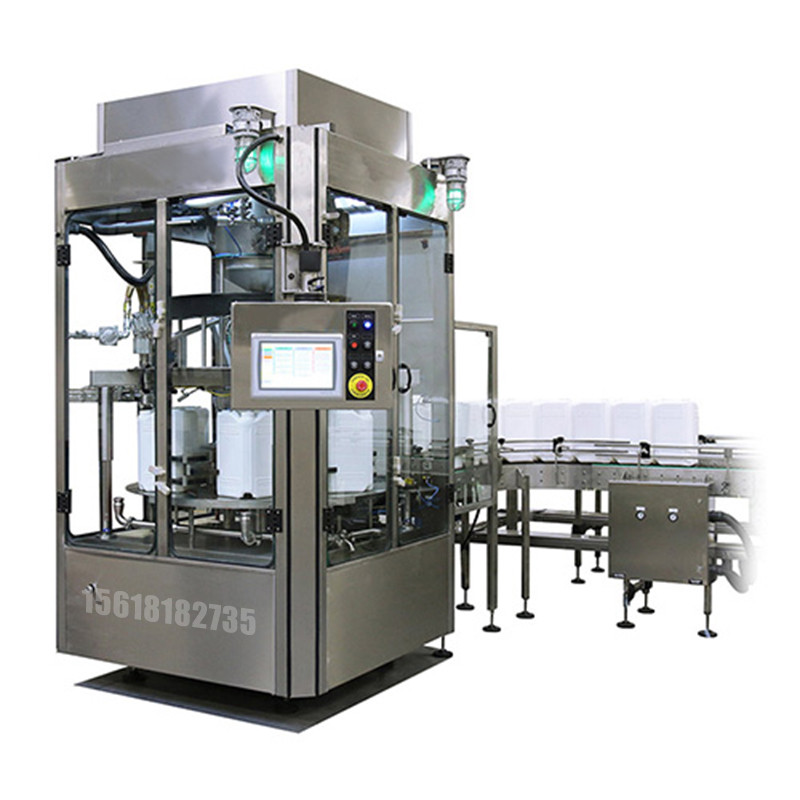
Meta Description: Learn how aseptic cold filling machines preserve beverage flavor, retain nutrients, and enable preservative-free production. Compare cold filling vs hot filling for modern food and drink manufacturing.
In the global beverage and liquid food manufacturing industry, traditional hot filling technology has long been used for shelf-life extension. However, high-temperature processing inevitably destroys delicate flavor compounds, oxidizes active nutrients, and limits clean-label product development. As consumer demand for fresh-tasting, preservative-free, and nutrition-retained drinks continues to surge, aseptic cold filling machines have become the core upgrading equipment for high-end factory production lines worldwide.
This 2026 exclusive Google SEO article adopts a brand-new professional perspective that has never appeared in previous filling machine guides. It does not repeat content involving machine maintenance, material selection, explosion-proof design, energy-saving functions, semi-automatic operation, monoblock integration, viscosity adaptation, or hot filling standalone features. It focuses deeply on aseptic cold filling working principles, complete technical processes, core industrial advantages, cold vs hot filling contrast analysis, and industry-specific application scenarios, providing authoritative purchasing and process optimization guidance for global medium-to-large liquid food manufacturers.
What Is an Aseptic Cold Filling Machine?
An aseptic cold filling machine is a high-precision sterile packaging system designed for temperature-sensitive liquid products. Different from conventional hot filling equipment that completes sterilization via high-temperature filling, cold filling technology separates material sterilization from the filling process. It adopts UHT (Ultra-High Temperature) instantaneous sterilization to treat raw materials within 30 seconds, rapidly cools the liquid to room temperature, and finishes full-automatic filling and sealing in a strictly controlled sterile isolation environment.
The entire production workflow operates without high-temperature heating during filling. All bottles, caps, pipelines, and working cabins undergo strict dry or wet sterilization treatment to eliminate microbial contamination. This low-temperature sterile production mode perfectly retains the original flavor, color, and nutritional components of raw materials while achieving commercial sterile standards, enabling long-term room-temperature storage without chemical preservatives.
Complete Working Process of Aseptic Cold Filling Technology
Aseptic cold filling adopts a standardized closed-loop sterile production system, with every link strictly controlled to avoid secondary pollution and ensure product stability and safety.
UHT Instantaneous Material Sterilization: Raw liquid materials such as juice, tea, and plant protein drinks pass through ultra-high temperature sterilization equipment in a short time to kill bacteria, yeast, and mold. The short high-temperature action time avoids thermal damage to heat-sensitive nutrients, fundamentally different from long-term high-temperature soaking in hot filling processes.
Rapid Low-Temperature Cooling: After instantaneous sterilization, the high-temperature liquid is quickly cooled to 20–25°C room temperature through a professional cooling system, locking in fresh flavor and preventing ingredient oxidation and deterioration.
Sterile Container Treatment: Empty PET bottles or glass bottles and caps undergo hydrogen peroxide dry sterilization or peracetic acid wet sterilization. Residual sterilizing agents are completely decomposed and volatilized, ensuring zero residue and full compliance with food safety standards.
Isolated Aseptic Filling: The filling cabin maintains positive pressure sterile air isolation to block external dust and bacteria. The aseptic cold filling machine completes quantitative filling in a low-temperature sterile environment, with no air contact between materials and the external atmosphere throughout the process.
Sterile Sealing & Finished Product Output: Filled products are immediately sealed in the sterile cabin to form a closed sterile space inside the bottle. Finished products are inspected and output after passing microbial detection, achieving 6–12 months of stable room-temperature shelf life.
Core Advantages of Aseptic Cold Filling Machines
Compared with traditional hot filling equipment, aseptic cold filling systems have irreplaceable competitive advantages in product quality, clean-label production, energy saving, and market competitiveness, becoming the mainstream upgrade direction for high-end beverage factories.
Maximize Flavor & Nutrient Retention: High-temperature hot filling causes irreversible loss of vitamins, aromatic substances, and active nutrients, with flavor component loss rates reaching 12%–18%. Aseptic cold filling low-temperature production completely avoids thermal damage, retaining the original fresh taste, natural color, and nutritional value of raw materials, making products closer to freshly brewed standards.
Realize 100% Preservative-Free Clean Label: Strict full-process sterile control achieves commercial sterile production without relying on chemical preservatives. It meets global clean-label food trends and high-standard consumer demands, helping products pass international organic and healthy food certifications.
Reduce Long-Term Energy Consumption: Although cold filling equipment has higher upfront configuration standards, it eliminates long-term high-temperature heating, constant-temperature insulation, and post-filling reverse sterilization processes. Actual industrial operation data shows that comprehensive energy consumption can be reduced by 30%–40% compared with hot filling lines, greatly lowering factory operational costs.
Avoid Product Thermal Aging & Oxidation: Long-term high-temperature operation in hot filling easily causes liquid browning, flavor deterioration, and nutrient oxidation. Low-temperature cold filling effectively suppresses thermal aging, ensuring consistent batch color, taste, and quality of products.
Adapt to Diverse High-End Product Formulas: It perfectly adapts to heat-sensitive products such as fresh juice, green tea, plant protein drinks, and functional vitamin beverages that cannot withstand high-temperature processing, expanding factory product iteration and high-end market layout capabilities.


