

Smart Filling Machine: Precision Calibration, Data Traceability & Industry Compliance for Modern Factory Audits
2026-06-26 09:13:59
admin
1
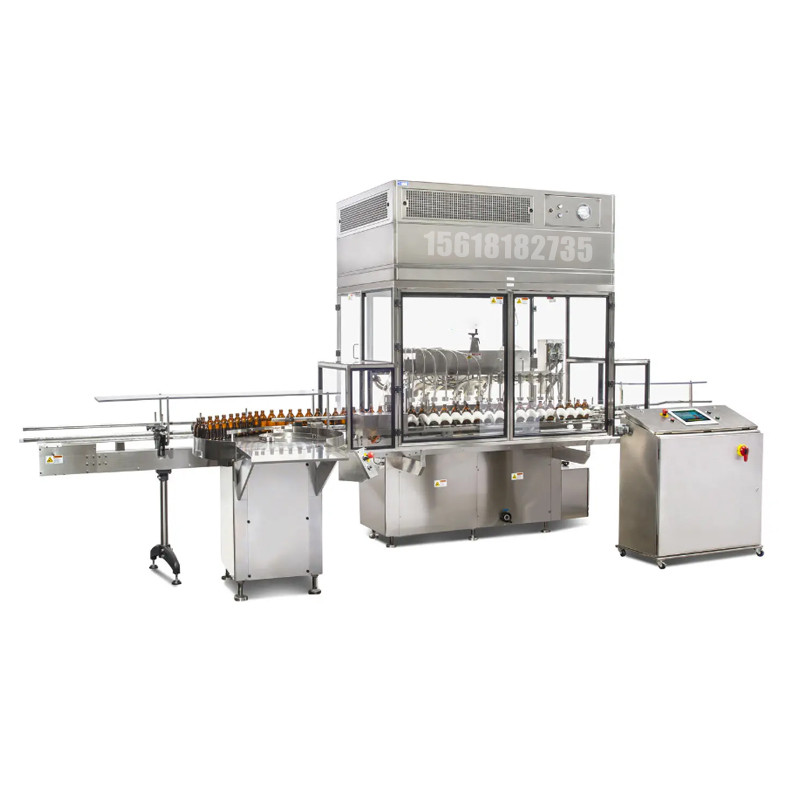
Meta Description: Discover how smart filling machine calibration, real-time data traceability, and digital compliance help factories pass global audits, eliminate filling errors, and achieve consistent batch quality.
As global manufacturing enters the full digital upgrade era in 2026, traditional evaluation standards for smart filling machine performance—speed, price, and basic automation—are no longer sufficient. International brand buyers and third-party audit institutions now focus heavily on measurable precision stability, full-process data traceability, and digital compliance capabilities. Many mid-tier factories face audit failures and order losses due to lack of standardized calibration records and incomplete production data, even with high-precision filling hardware.
This exclusive SEO guide focuses on digital and standardized operational dimensions that are rarely covered in ordinary filling machine articles. It elaborates on professional precision calibration principles, real-time data tracking functions, digital compliance advantages, and audit-adapted operational standards, providing core technical references for export-oriented factories pursuing standardized, traceable, and audit-qualified filling production.
Why Digital Precision & Traceability Define 2026 Filling Production Standards
Most conventional automatic filling machines only achieve mechanical quantitative filling, lacking digital monitoring and active correction capabilities. After long-term continuous operation, mechanical wear, material density fluctuation, and ambient temperature changes will cause hidden precision drift. This subtle deviation cannot be identified by manual inspection but will lead to inconsistent batch net content, hidden quality risks, and failed factory audits.
In addition, traditional filling production forms offline operation without effective data recording. Once product quality problems occur, factories cannot trace specific production time, parameter settings, and equipment operating status, resulting in unresolvable quality disputes and unqualified audit results. Smart digital filling machines solve these industry pain points fundamentally through active calibration, real-time data recording, and full-process traceability, becoming the standard configuration for global high-standard export production lines.
Professional Precision Calibration Mechanism of Smart Filling Machines
Precision calibration is the core technology that distinguishes smart filling equipment from ordinary automatic fillers. It realizes active error correction rather than passive fixed-value filling, ensuring long-term zero-drift precision.
Real-Time Dynamic Weighing Calibration: High-end smart filling machines are equipped with integrated high-precision weighing sensors. Different from fixed stroke metering of traditional equipment, the system automatically samples and weighs finished products in real time during operation. Once the filling error exceeds the preset threshold, the PLC system instantly fine-tunes the filling stroke and flow parameters without stopping production, maintaining long-term accuracy within ±0.2%.
Temperature & Density Adaptive Correction: Material fluidity and density change with ambient temperature and humidity, which is the main cause of invisible filling deviation. Smart filling systems have built-in temperature and humidity sensing modules that automatically identify material state changes and adaptively adjust filling speed and metering volume, ensuring consistent filling accuracy in different seasons and workshop environments.
One-Click Automatic Calibration Program: The equipment supports regular one-click full calibration. Operators can complete system zero calibration, parameter reset, and error detection in one minute, replacing tedious manual debugging of traditional machines. It standardizes daily precision management and eliminates human calibration errors.
Full-Process Data Traceability System for Audit Compliance
Data traceability is the key to passing GMP, FDA, ISO, and global brand supplier audits. Modern smart filling machines build a closed-loop digital recording system covering the entire production process.
Real-Time Production Data Logging: The system automatically records all core production data, including filling time, batch number, single filling volume, total output, equipment operating parameters, error records, and calibration records. All data is automatically stored without manual entry, ensuring authenticity and immutability.
Batch Independent Data Archiving: Each production batch forms an independent digital file, corresponding to unique batch codes. Factories can quickly retrieve all filling data of any batch within seconds, realizing full lifecycle traceability from equipment operation to finished product packaging.
Data Export & Audit Report Generation: The smart system supports one-click export of standardized Excel and PDF audit reports, covering precision detection data, equipment operation logs, and calibration records. It fully meets the data submission requirements of third-party audits and brand factory inspections, greatly improving audit pass rate.
Core Digital Functions Optimized for Modern Factory Management
Beyond precision and traceability upgrades, smart filling machines integrate multiple digital management functions to adapt to intelligent factory construction and refined production management demands.
Remote Real-Time Monitoring & Operation: Support cloud network docking. Factory managers can remotely view real-time production progress, equipment operating status, and precision data via mobile phones and computers. They can also remotely adjust production parameters and view fault alarms, realizing off-site unattended production management.
Intelligent Fault Self-Diagnosis & Early Warning: The system automatically monitors core components such as motors, sensors, and sealing parts. It triggers early warning prompts before equipment failure and accurately locates fault causes, avoiding sudden production shutdowns and reducing unplanned downtime losses.
Production Efficiency Data Analysis: Built-in big data statistical function automatically analyzes daily output, defective rate, material utilization rate, and equipment operation efficiency. It provides visualized data reports for factory production scheduling and process optimization, helping managers make data-driven production decisions.
Multi-Level Permission Management: Equipped with operator, administrator, and auditor multi-level password permissions. It prevents arbitrary parameter modification and ensures production standardization and data security, complying with standardized factory management systems.
Industry-Specific Digital Compliance Advantages
Different industries have differentiated data audit and precision standards. Smart filling machines achieve targeted digital compliance adaptation for high-standard industries:
Pharmaceutical & Health Product Industry: Meet GMP full-process traceability requirements. Complete production and calibration data can be permanently stored, supporting strict pharmaceutical batch record audits and ensuring drug production safety and batch stability.
High-End Cosmetic Industry: Accurately record the filling parameters of active ingredient products, avoid batch component deviation, and provide complete data support for product quality inspection and after-sales traceability.
Food & Beverage Export Industry: Comply with FDA and EU food safety traceability standards. Complete filling data records help factories pass overseas customs inspections and third-party quality audits smoothly, supporting long-term export business expansion.
Fine Chemical Industry: Accurately record the filling volume and operating status of chemical reagents, providing data basis for production safety management and batch quality control.
Long-Term Value of Digitally Intelligent Filling Equipment
Investing in smart calibrated filling machines brings dual value of quality standardization and management digitalization for manufacturing enterprises, which cannot be replaced by traditional automatic equipment.
Zero Audit Risk: Complete traceable data and standardized calibration records eliminate audit failure risks, stabilize brand supplier qualifications, and protect enterprise export orders.
Stable Batch Quality Consistency: Dynamic calibration technology eliminates long-term precision drift, ensures 100% qualified rate of product net content, and avoids market complaints and return losses caused by inaccurate filling.
Reduced Manual Management Costs: Automatic data recording, fault early warning, and remote monitoring reduce manual statistics, inspection, and debugging work, realizing refined and unmanned production management.
Support Factory Intelligent Upgrading: Cloud docking and data visualization functions adapt to the trend of industrial digital transformation, reserving upgrade space for subsequent smart factory system integration.


