

Net Weight Filling Machine: High-Accuracy Weight-Based Filler for Variable-Density Liquids & Bulk Containers
2026-08-13 08:33:53
admin
2
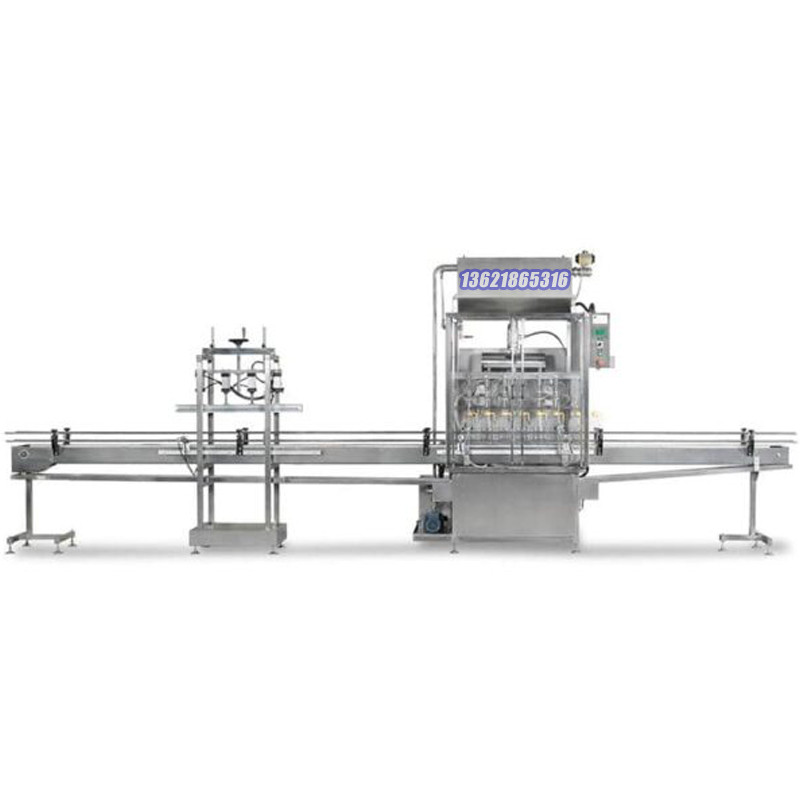
Most industrial filling machines rely on fixed volume, timing, or mechanical displacement to measure materials. While reliable for standard products, these traditional methods struggle with variable-density liquids, temperature-sensitive materials, and large-capacity container packaging. A standout solution that solves these industry pain points is the net weight filling machine, a weight-driven automatic filling system completely different from gravity, piston, overflow, and peristaltic fillers covered in our previous guides. Built with precision load-cell sensors, this machine measures product weight directly instead of calculating volume, delivering consistent, audit-grade accuracy regardless of liquid viscosity, density fluctuation, or foam presence. This SEO-optimized article follows Google E-E-A-T principles, explaining core functions, unique advantages, limitations, and industrial use cases for manufacturers pursuing stable, weigh-verified filling quality.
Net weight filling technology has become the gold standard for industrial bulk packaging and high-value liquid production. Many liquid materials change density due to temperature shifts, ingredient mixing, or storage conditions. Volumetric fillers produce obvious batch errors under such changes, causing overweight losses or underweight compliance issues. Unlike volumetric systems that assume fixed density, net weight fillers use real-time weighing feedback to control filling volume dynamically. This weight-first mechanism eliminates calculation errors, making it ideal for edible oil, industrial chemicals, lubricants, and variable-formula liquids that demand strict weight consistency and regulatory compliance.
How Does a Net Weight Filling Machine Work?
The working principle differentiates net weight fillers fundamentally from all conventional filling equipment. Instead of relying on nozzle timing or pump rotation counts, the system uses high-precision digital load cells installed under the container platform. Before filling starts, the machine automatically performs tare weighing to exclude bottle or bucket weight, ensuring only pure product net weight is calculated.
During operation, the system initiates fast pre-filling to improve production efficiency. When the liquid weight approaches the preset target value, the machine switches to slow micro-filling mode to avoid overfilling caused by liquid inertia. Once the exact net weight is reached, the filling valve closes instantly. The entire process forms a closed-loop weighing system, adjusting material flow speed in real time based on weight feedback. All material contact parts use food-grade or industrial-grade stainless steel, supporting safe filling of edible and chemical liquids with easy daily cleaning and maintenance.
Key Benefits of Net Weight Filling Machines
Net weight filling offers exclusive advantages that volumetric fillers cannot replicate, especially for complex and variable industrial materials:
Density Fluctuation Adaptability. The biggest advantage is zero sensitivity to density changes. Whether liquids thicken in low temperatures or dilute after formula adjustment, net weight fillers maintain precise weight output, avoiding batch inconsistency and compliance risks.
Audit-Level Filling Accuracy. Equipped with industrial load cells, the equipment achieves precise weight control suitable for official inspection and third-party quality audits, helping manufacturers pass weight standard verification easily.
Zero Material Waste. Traditional overfilling to avoid underweight causes long-term material loss. Net weight technology eliminates overfilling errors, greatly improving material utilization and reducing production costs for high-value liquids.
Excellent Foam & Splash Resistance. Real-time weight detection is not affected by surface foam or suspended bubbles. Even for foamy oils and chemical solutions, the machine still outputs accurate net weight, unlike level-based fillers that suffer visual and measurement errors.
Perfect for Large Containers. It performs best for drums, jerry cans, and large bottles. Large-capacity packaging amplifies volumetric errors, while net weight filling keeps long-batch production stable and accurate.
Practical Limitations
Net weight filling has clear application boundaries. Due to weighing sensor response characteristics, it is less suitable for ultra-small micro-dose filling below 50ml, where peristaltic fillers perform better. In addition, compared with fast gravity filling lines, net weight machines have slightly lower cycle speed for high-volume thin liquid mass production. Manufacturers should match equipment based on container size, dosage range, and material characteristics to maximize return on investment.
Industrial Applications
Net weight filling machines dominate weight-sensitive and bulk packaging industries worldwide:
Edible Oil Industry: Olive oil, sunflower oil, peanut oil, and blended cooking oil, ensuring standard net weight for retail and wholesale packaging.
Chemical & Lubricant Industry: Engine oil, hydraulic oil, industrial solvents, and liquid additives, adapting to temperature-related density changes in industrial environments.
Daily Chemical Industry: Large-capacity detergent, disinfectant, and bulk cleaning liquid for commercial and factory use.
Food Processing Industry: Bulk syrup, liquid sugar, and food additives that require stable batch weight standards.
Common Selection Myths
Many factory owners assume volumetric fillers can replace net weight models for all liquid filling. In reality, volumetric accuracy collapses once material density changes, leading to frequent customer complaints and regulatory penalties. Another myth is that weighing filling is slow and unstable. Modern upgraded net weight systems combine fast pre-filling and precision fine filling, balancing efficiency and accuracy perfectly for industrial mass production.
Conclusion
Net weight filling machines fill a critical gap in industrial liquid packaging, delivering reliable weight-based accuracy for variable-density, high-value, and large-capacity products. By adopting real-time load-cell weighing and closed-loop flow control, they eliminate the inherent errors of traditional volumetric filling technology. For manufacturers prioritizing compliance, material savings, and stable batch quality, net weight filling systems provide the most trustworthy and cost-effective long-term packaging solution in modern industrial production.


